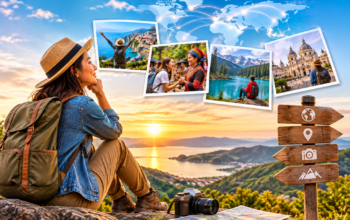

Solo travel is more than a chance to explore a new destination. It is an opportunity to reconnect with yourself, build emotional strength, and experience the world on your own terms. When you travel alone, every decision—from choosing where to eat to finding your way around a new city—becomes a small reminder that you are capable.
Many people choose solo trips to rest, discover new places, or take a break from daily responsibilities. But the emotional rewards often go much deeper. Research on solo travelers has found that traveling alone can enhance self-esteem, life satisfaction, and personal growth, while also encouraging calming habits such as journaling and mindfulness.
Whether you are planning your first solo weekend away or dreaming of a longer adventure, here are the emotional benefits you can expect.
1. You Build Genuine Self-Confidence
One of the biggest emotional benefits of solo travel is confidence. When you navigate an unfamiliar place by yourself, you learn to trust your judgment. You figure out transportation, ask for help when needed, try new foods, and handle unexpected changes without relying on someone else to make decisions for you.
That does not mean every moment will feel easy. You may get lost, miss a bus, or feel unsure at times. But overcoming these small challenges can create a powerful sense of accomplishment. Each time you solve a problem on your own, you prove to yourself that you can handle more than you thought.
Solo travel can strengthen self-assuredness and self-esteem because it gives you full responsibility for your experience. Over time, that confidence often follows you home. You may find yourself speaking up more at work, trying new activities, or making decisions with less hesitation.
2. You Learn to Enjoy Your Own Company
Many people feel uncomfortable being alone, especially in public. Solo travel gently changes that. Sitting alone at a café, walking through a museum, or watching a sunset without conversation can feel strange at first—but it can also become deeply peaceful.
Being alone is not the same as being lonely. When you travel solo, you have space to notice your thoughts, feelings, and preferences without outside noise. You can eat when you are hungry, rest when you are tired, and change plans without explaining yourself to anyone.
This kind of solitude can support emotional regulation, reduce stress, and create a greater sense of inner peace. The more comfortable you become in your own company, the less pressure you may feel to constantly seek approval or entertainment from others.
3. You Gain a Stronger Sense of Independence
Solo travel puts you in charge of your own journey. You decide the destination, the schedule, the budget, and the pace. That independence can feel liberating, especially if your everyday life involves caring for others, meeting deadlines, or constantly compromising.
Independence is not about never needing anyone. It is about knowing that you can stand on your own when you need to. A solo trip helps you practice this in a supportive, exciting environment.
When you return home, you may notice a shift in how you see yourself. You are no longer simply someone who hopes things will work out—you are someone who has traveled alone, made decisions, and created memorable experiences by yourself. This sense of autonomy can strengthen self-efficacy, or your belief in your ability to handle life’s challenges.
4. You Discover What Truly Makes You Happy
When you travel with others, plans often become a compromise. One person wants to visit museums, another wants to relax at the beach, and someone else wants to try every local restaurant. Solo travel removes that negotiation.
You get to ask yourself simple but important questions:
- What do I actually enjoy doing?
- Do I prefer busy cities or quiet nature?
- Do I feel energized by meeting people or by having quiet time?
- What kind of travel pace feels good to me?
These answers can be surprisingly revealing. Without the influence of friends, family, or social expectations, you may discover interests you had forgotten or never explored. Solo travel gives you the freedom to follow your curiosity, which can lead to greater self-awareness and emotional clarity.
5. You Become More Emotionally Resilient
Travel rarely goes perfectly. Flights get delayed, hotels may not look like the photos, weather changes, and plans sometimes fall apart. When you are alone, you cannot hand the problem to someone else—but you can learn to respond calmly and creatively.
This builds emotional resilience. Instead of panicking, you learn to pause, assess the situation, and find a solution. Maybe you take a different route, ask a local for advice, or accept that today will simply look different from what you planned.
Resilience is not about pretending everything is fine. It is about trusting yourself to cope when things do not go as expected. That emotional skill can make everyday setbacks feel less overwhelming after you return home.
6. You Reduce Stress by Stepping Away From Routine
Daily life can be emotionally draining. Work emails, household tasks, social obligations, and constant notifications can leave little room for rest. A solo trip gives you permission to step away from that routine.
Even a short vacation can reduce stress and improve well-being, with positive effects that may continue after the trip ends. Solo travel can make that reset even more powerful because you are not managing anyone else’s needs or preferences.
You can sleep in without guilt, spend an entire afternoon in a bookstore, take a long walk, or simply sit somewhere beautiful and do nothing. That kind of intentional rest helps your mind slow down and your emotions settle.
7. You Create Space for Reflection
Solo travel naturally creates quiet moments. Waiting at an airport, riding a train, walking through a new neighborhood, or enjoying a meal alone can give your mind room to think.
Without the usual distractions, you may reflect on your goals, relationships, habits, and priorities. Some travelers use this time to journal, meditate, or simply process emotions they have been too busy to notice. Research suggests that solo travelers often use calming practices like journaling and mindfulness during their trips.
This reflection does not need to be serious or dramatic. Sometimes it is as simple as realizing, “I feel happier when I spend time outdoors,” or “I need more quiet time in my weekly routine.” Those small insights can lead to meaningful emotional growth.
8. You Learn to Be Present
When you travel alone, there is no one to divide your attention with. You are not checking in with a group, taking photos for someone else, or worrying about whether everyone is having a good time.
That makes it easier to be present.
You may notice the smell of street food, the sound of a new language, the color of the sky, or the kindness of a stranger. These small details can make travel feel richer and more memorable. Being present also helps reduce overthinking, because your attention moves away from past worries and future concerns.
Mindful travel does not require meditation apps or a strict routine. It can be as simple as putting your phone away for an hour and fully experiencing where you are.
9. You Become More Open to New People and Experiences
Solo travel may sound lonely, but it often leads to more social connection—not less. When you are alone, you may be more likely to talk to locals, join a tour, strike up a conversation in a café, or meet other travelers.
Because you are not relying on a travel companion for company, you may feel more open to new experiences. You might say yes to a cooking class, a hiking group, or a recommendation from someone you just met.
These interactions can be emotionally rewarding. They remind you that people are generally more welcoming than we expect, and that connection can happen anywhere. Solo travel can help build confidence, independence, and even a sense of connectedness with others.
10. You Strengthen Self-Trust
Every solo trip asks you to make choices. Should you take the earlier train? Is this neighborhood safe? Should you spend more on a comfortable hotel or save money for an experience? Should you rest today or explore?
These decisions help you develop self-trust. You learn that even if a choice does not turn out perfectly, you can adapt. That is a valuable emotional skill because self-trust reduces anxiety and second-guessing.
Instead of waiting for someone else to validate your decisions, you begin to believe: “I can figure this out.” That belief can improve how you approach travel, work, relationships, and personal goals.
11. You Let Go of the Need to Please Everyone
Many people spend a lot of emotional energy worrying about what others think. Solo travel can help loosen that pressure.
When no one is watching your choices or expecting you to act a certain way, you have space to be yourself. You can wear what you want, eat what you want, rest when you want, and explore at your own pace.
This freedom can be surprisingly healing. It teaches you that your needs matter and that you do not need permission to enjoy your life. Some solo travelers describe the experience as a reminder not to let other people’s opinions control how they live.
12. You Return Home With a Fresh Perspective
Solo travel changes the way you see both the world and yourself. After spending time in a new environment, everyday problems may feel smaller. You may return home with new ideas, renewed motivation, and a clearer sense of what you want.
Travel exposes you to different lifestyles, cultures, and ways of thinking. That can make you more open-minded and appreciative of what you have. It can also inspire you to make changes in your daily life—whether that means setting better boundaries, pursuing a passion, or making more time for rest.
The emotional benefit is not only what happens during the trip. It is also the perspective you bring back with you.
How to Get the Most Emotional Benefit From Solo Travel
You do not need to take a dramatic international trip to enjoy these benefits. Even a solo day trip or weekend getaway can help you reset and reconnect with yourself.
Here are a few simple ways to make your solo travel experience more emotionally rewarding:
- Choose a destination that matches your mood. Pick a quiet beach town if you need rest, or a lively city if you want energy and inspiration.
- Plan less than you think you need to. Leave room for spontaneity, rest, and unexpected discoveries.
- Keep a travel journal. Write down what you notice, how you feel, and what you learn about yourself.
- Do one thing that scares you a little. Try a new activity, eat alone at a nice restaurant, or take a local class.
- Limit screen time. Put your phone away for part of each day so you can be fully present.
- Be kind to yourself. Solo travel can bring up loneliness or anxiety, and that is normal. Treat yourself with patience.
Emotional Benefits Beyond Photos and Destinations
The emotional benefits of solo travel go far beyond beautiful photos and new destinations. Traveling alone can help you build confidence, independence, resilience, self-awareness, and a deeper appreciation for your own company.
You do not have to be fearless, wealthy, or endlessly outgoing to travel solo. You only need a willingness to try. Whether it is a weekend in a nearby town or a longer journey abroad, solo travel can remind you of something important: you are capable of creating a life that feels meaningful, exciting, and truly your own.