
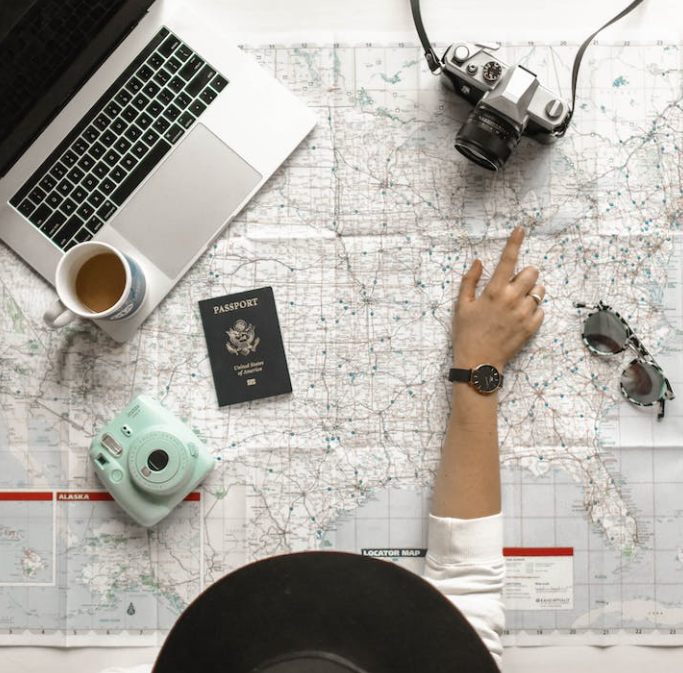
Travelling is a popular activity that millions of people around the world engage in every year. One of the key reasons why people travel is to experience new things. Whether it’s a new culture, a new language, or a new cuisine, travelling is an excellent way to broaden one’s horizons and gain new experiences. In this article, we will explore the reasons why travel brings new experiences.
Exposure to New Cultures
One of the primary reasons why travel brings new experiences is that it exposes people to new cultures. Every country and region has its own unique customs, traditions, and way of life. By travelling to a new place, people can immerse themselves in a new culture and learn about its history, art, music, and food.
For example, a person who travels to Japan may be fascinated by the country’s rich history, traditional tea ceremonies, and unique cuisine. Similarly, a person who travels to India may be captivated by the country’s vibrant colours, intricate architecture, and diverse religious beliefs.
Opportunities for Adventure
Another reason why travel brings new experiences is that it provides opportunities for adventure. Adventure travel is a popular niche in the travel industry, and it involves activities such as hiking, camping, mountain biking, and rock climbing.
By engaging in these types of activities, people can challenge themselves physically and mentally, and experience the thrill of new experiences. Moreover, adventure travel can also help people to develop skills such as teamwork, problem-solving, and decision-making.
Meeting New People
Travelling also brings new experiences because it provides opportunities to meet new people. Whether it’s locals or other travellers, meeting new people can be an enriching and rewarding experience.
By interacting with people from different cultures, people can learn about their values, beliefs, and ways of life. Moreover, meeting new people can also lead to new friendships, business contacts, or even romantic relationships.
Trying New Foods
Trying new foods is one of the most enjoyable aspects of travel, and it is also a reason why travel brings new experiences. Every culture has its own unique cuisine, and travelling provides opportunities to taste new and exotic foods.
For example, a person who travels to Thailand may be intrigued by the country’s spicy curries, noodles, and soups. Similarly, a person who travels to Mexico may be tempted by the country’s street tacos, tamales, and enchiladas.
Exposure to New Languages
Travelling also brings new experiences because it exposes people to new languages. Learning a new language is not only a practical skill but also a way to connect with people from different cultures.
By travelling to a new place, people can learn basic phrases in the local language and improve their communication skills. Moreover, learning a new language can also help people to appreciate the nuances of a different culture and gain a deeper understanding of its people and customs.
Stepping Out of Comfort Zones
Travelling can also bring new experiences because it requires people to step out of their comfort zones. Whether it’s navigating unfamiliar streets, trying new foods, or engaging in new activities, travelling can be a way to challenge oneself and push beyond one’s limits.
By stepping out of one’s comfort zone, people can develop self-confidence, resilience, and adaptability. Moreover, stepping out of one’s comfort zone can also help people to break down limiting beliefs and cultivate personal growth.
In conclusion, travel brings new experiences because it exposes people to new cultures, opportunities for adventure, meeting new people, trying new foods, exposure to new languages, and stepping out of comfort zones. By travelling, people can broaden their horizons, gain new perspectives, and enrich their lives. So, if you are looking to try new things, challenge yourself, or simply have an adventure, travelling may be just the ticket. It may require a certain level of planning and investment, but the experiences gained from travel can be invaluable and life-changing.
