Yes—travel can challenge and reshape our beliefs, especially when we step beyond familiar routines, meet people from different backgrounds, and reflect on what we experience. But it does not happen automatically. A trip becomes transformative when travelers are curious, open-minded, and willing to question their assumptions.
Research on transformative travel suggests that meaningful experiences can change a person’s values, worldview, attitudes, and behavior. These changes often begin with unfamiliar situations that make us pause, reflect, and see life from another perspective.
Why Travel Challenges Our Beliefs
At home, most of us follow familiar patterns. We eat similar food, speak with people who share our background, and see the world through habits we rarely question. Travel interrupts those patterns.
When you arrive in a new place, everyday things may work differently. Meal times, greetings, family roles, religious practices, work habits, and ideas about personal space can all feel unfamiliar. This can create a small moment of discomfort: “Why do people do it this way?”
That discomfort is useful. It encourages us to compare what we know with what we are seeing. Instead of assuming our way is the only way, we begin to recognize that many beliefs are shaped by culture, upbringing, and environment.
Studies on people who live or travel abroad found that these experiences can change, confirm, or broaden personal beliefs about their own culture and other cultures. In other words, travel does not always replace old beliefs—it may strengthen them, soften them, or help us understand them more clearly.
How New Experiences Reshape Perspective
Travel exposes us to different ways of living. You might meet a family that values community time over career success, visit a place where people live with less but seem deeply connected, or speak with someone whose religious or political views differ from yours.
These encounters can make us more aware of our own assumptions. For example, someone who believes success means owning a big house may visit a community where people prioritize time with loved ones and shared resources. They may not abandon their original belief, but they may begin to ask, “What does success really mean to me?”
Transformative travel research identifies several common triggers for these shifts, including meeting new people, observing different lifestyles, spending time in nature, facing challenges, and reflecting on unfamiliar experiences. The key is not simply seeing something new—it is allowing the experience to make us think.
Travel can also improve perspective-taking, which means trying to understand a situation from another person’s point of view. This skill is closely connected to empathy, compassion, and more open-minded thinking.
The Role of Culture Shock
Culture shock is often seen as a negative part of travel, but it can also be a powerful teacher. When familiar rules no longer apply, travelers must adapt, observe, and learn.
You may feel confused by a language barrier, unsure how to order food, or surprised by local customs. These moments can be frustrating, but they also reveal how much of our daily behavior is based on cultural habits rather than universal rules.
Research on international travel and intercultural competence suggests that meaningful engagement with local people is strongly linked to greater cultural understanding, respect, and confidence in communicating across cultures. The quality of interaction often matters more than the number of countries visited.
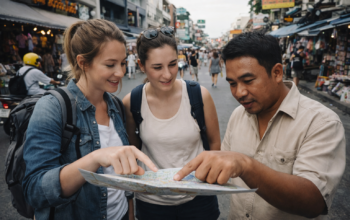
For example, a traveler who spends a week attending local markets, learning a few phrases, and talking with residents may gain more insight than someone who visits several countries but stays mainly in hotels and tourist zones.
Travel Can Make Us More Empathetic
One of the most powerful ways travel reshapes beliefs is by making other people’s lives feel real. News stories and social media can feel distant, but sitting across from someone, sharing a meal, or hearing their personal story creates a human connection.
Travel can encourage empathy by helping us see that people with different beliefs, incomes, religions, or lifestyles still share many common needs: safety, belonging, dignity, love, and purpose.
However, empathy is not guaranteed. Travel can sometimes reinforce stereotypes if visitors only have brief, transactional interactions or judge a culture based on limited experiences. Experts note that meaningful empathy requires effort, respectful engagement, and a willingness to listen rather than assume.
The goal is not to “save” or fully understand another culture in one trip. It is to become more humble, curious, and aware of the limits of our own perspective.
Travel Changes How We See Home
Interestingly, travel does not only change how we view other places. It can also change how we see our own home.
When you experience another culture, you may notice things about your own country that you never questioned before. You may appreciate certain freedoms, relationships, or conveniences more deeply. You may also notice habits, inequalities, or beliefs that deserve reflection.
A phenomenological study found that living or traveling in foreign locations influenced people’s worldviews and personal identity by increasing awareness of multiple perspectives. This means travel can act like a mirror: it shows us not only what is different elsewhere, but also what is familiar—and possibly limiting—at home.
For instance, after traveling, someone may return home with new appreciation for their family, a stronger desire to simplify their lifestyle, or a renewed interest in learning about global issues.
When Travel Does Not Change Beliefs
Travel is powerful, but it is not magic. Some people return from a trip with the same beliefs they had before leaving. Others may become more judgmental, especially if they compare another culture unfairly to their own.
Research shows that travel-related attitude change depends on several conditions, including respectful contact, cooperation, meaningful interaction, and openness before the trip. Simply visiting a destination does not guarantee personal growth.
A traveler who spends the entire trip inside a resort, avoids local people, and judges every difference as “wrong” may come home with stronger biases rather than broader understanding.
Transformation is more likely when we:
- Ask questions instead of making quick judgments.
- Listen to local perspectives.
- Try new foods, customs, and activities respectfully.
- Reflect through journaling, conversation, or quiet time.
- Accept discomfort as part of learning.
- Avoid treating locals as background characters in our vacation.
How to Travel in a Way That Opens Your Mind
If you want travel to challenge and reshape your beliefs, approach it with intention.
Before your trip, learn about the destination’s history, culture, and social issues. During the trip, choose experiences that allow genuine connection, such as local markets, community-led tours, cooking classes, or conversations with residents. After the trip, take time to reflect on what surprised you, challenged you, or stayed with you.
Meaningful travel experiences often include pleasure, freedom, personal growth, memory-making, and reflection on life. These elements can support wellbeing and help travelers gain clarity about what matters to them.
You do not need to cross the ocean to experience this. Visiting a nearby town, attending a cultural festival, or spending time in a different community can also offer fresh perspectives. What matters most is your willingness to be changed by what you encounter.
Challenging and Reshaping Our Beliefs
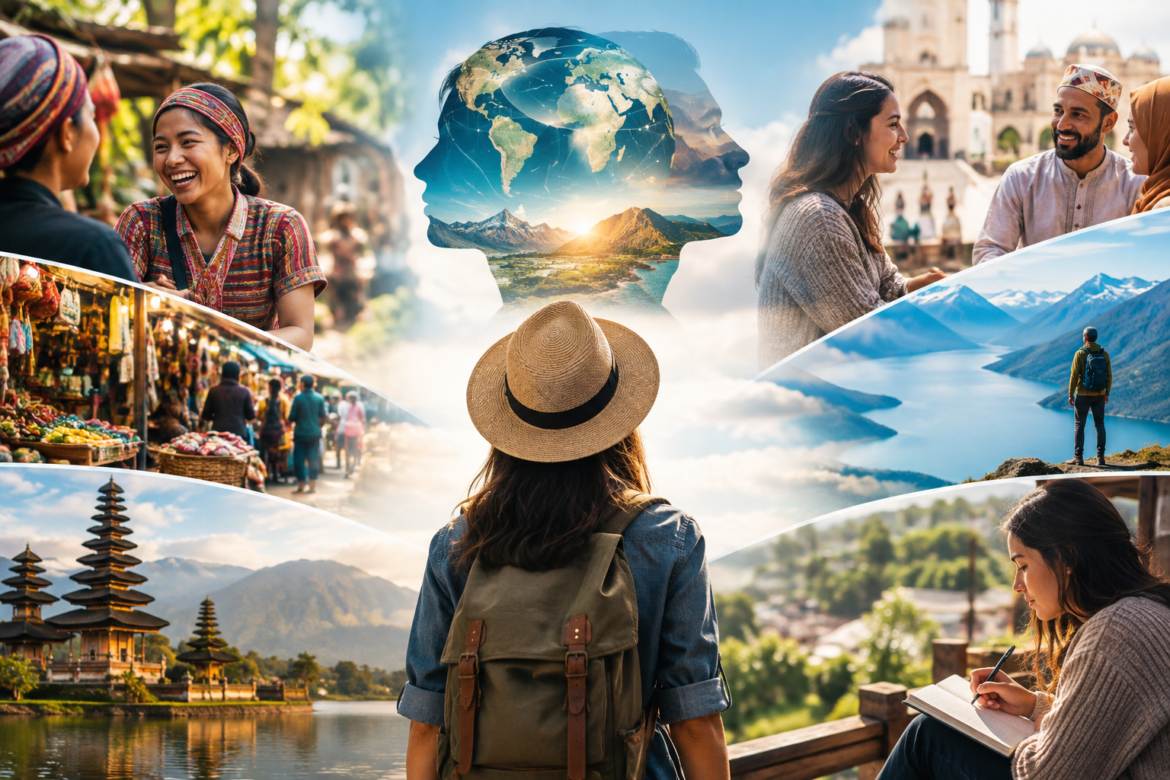
Travel has the power to challenge and reshape our beliefs because it places us in unfamiliar situations and introduces us to people whose lives may be very different from ours. It can broaden our perspective, deepen empathy, reveal our assumptions, and help us understand both the world and ourselves more clearly.
But the real transformation comes from how we travel. When we explore with curiosity, humility, and respect, travel becomes more than a vacation. It becomes an opportunity to question old ideas, discover new ones, and return home with a wider view of what it means to be human.