Hey there, fellow adventurer! Ever stared at a puzzle that just won’t budge, only to wish for a magic fix? What if I told you that packing your bags and hitting the road could be that fix? The question on everyone’s mind: Can travel improve our problem-solving skills? Spoiler alert: Yes, it can—and science, stories, and real-life hacks back it up. In this post, we’ll dive into why wandering the world sharpens your brain like nothing else. Grab your coffee (or travel mug), and let’s explore how your next trip could turn you into a problem-solving pro.
Travel isn’t just about selfies and souvenirs. It’s a sneaky brain gym. When you’re navigating new places, your mind switches from autopilot to high gear. Think about it: At home, life is predictable. You know the coffee shop route, your boss’s quirks, and where the snacks hide. But abroad? Everything’s a curveball. That forces your brain to adapt, improvise, and overcome—core skills for killer problem-solving.
Studies show travelers often outperform homebodies in creative thinking tests. A report from the Journal of Personality and Social Psychology found that multicultural experiences boost cognitive flexibility. In plain English? Hanging out in different cultures makes your brain more nimble at connecting dots and finding fresh solutions. It’s like upgrading from a flip phone to a smartphone for your thoughts.
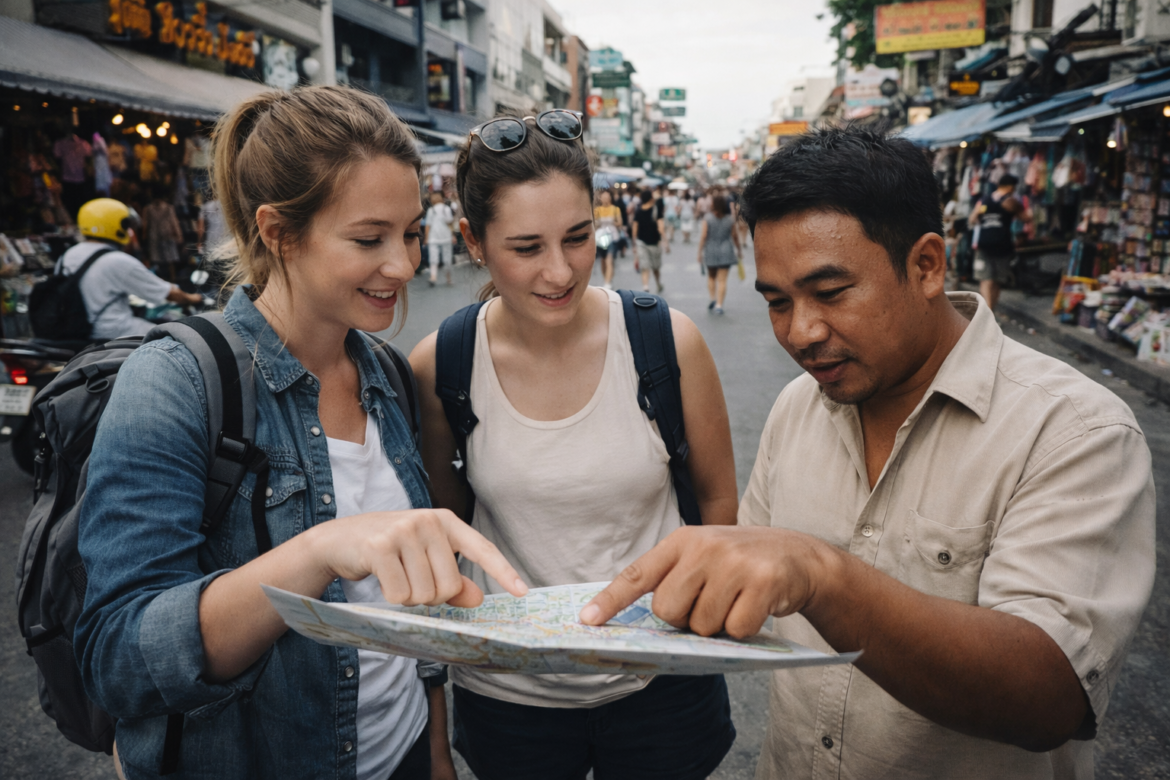
But don’t just take my word—picture this: You’re lost in Tokyo with no data signal. Do you panic? Nah, you ask locals (with wild hand gestures), spot subway signs, and MacGyver your way back. Boom—instant problem solved. Travel packs these mini-wins daily, building your mental muscles over time.
How Travel Rewires Your Brain for Better Decisions
Let’s get nerdy for a sec, but keep it fun. Problem-solving boils down to three steps: spotting the issue, brainstorming fixes, and picking the winner. Travel cranks all three into overdrive.
First, spotting the issue. At home, problems hide in routines. Travel rips the blinders off. You’re jet-lagged in Paris, your hotel key won’t work, and it’s pouring rain. Suddenly, you’re hyper-aware: Check the lock type? Try the front desk? Sweet-talk a passerby? This “situational awareness” sharpens your radar for real-world glitches.
Research from the University of Chicago backs this. They tested folks after multicultural trips and found they were 20% better at detecting patterns in chaos. Why? New environments flood your brain with novel stimuli, training it to sift signal from noise faster.
Next, brainstorming fixes. Ever played “what if” in a foreign spot? “What if the train’s delayed? Bus? Hitch a ride?” Travel sparks divergent thinking—that fancy term for generating wild ideas. A study in Creativity Research Journal showed backpackers score higher on idea fluency after just two weeks abroad. It’s the ultimate improv class for your noggin.
And picking the winner? Travel teaches risk assessment on steroids. Do you eat that street food that looks sketchy but smells divine? Trust the shady taxi or walk? Each choice hones your gut plus logic combo. Neuroscientists call this “executive function” improvement, and fMRI scans of frequent travelers light up like Christmas trees in decision-making zones.
Real talk: I once haggled for a scooter in Bali with zero Bahasa Indonesia. Mime, smiles, and calculator app got me a sweet deal. Back home, I’d freeze in a tough negotiation. Travel’s trial-by-fire method? Priceless.
Real-Life Wins: Stories of Travelers Who Leveled Up
Nothing proves it like stories. Meet Alex, a desk-bound engineer from Seattle. Stuck in a rut with buggy code, he jetted to Vietnam for a month. Motorbike breakdowns? Fixed with zip ties and YouTube. Language barriers? Solved with drawings and patience. Back at work, his team’s jaw dropped—his bug fixes were ingenious. “Travel broke my black-and-white thinking,” he says. Now, he’s the go-to guy for tricky projects.
Or take Maria from Brazil. Overwhelmed by startup chaos, she backpacked Europe solo. Missed flights? Rebooked on the fly. Lost wallet? Reported it, borrowed cash, kept going. Her problem-solving? Night-and-day better. She credits “forced independence” for turning panic into poise.
These aren’t outliers. A survey by EF Education First hit 10,000 travelers: 78% reported sharper skills post-trip, especially in adaptability and innovation. Businesses know this too—companies like Google send teams on “travel immersions” to spark creativity. Even the World Economic Forum lists “problem-solving” as a top skill, with travel as a secret weapon.
Kids benefit big time. Family gap years? Studies from the University of Griffith show traveling tweens crush standardized problem-solving tests versus stay-home peers. It’s exposure therapy for the brain—variety breeds versatility.
Science Says Yes: The Brain Boost Breakdown
Okay, light-hearted geeking out time. How does travel actually rewire you? Enter neuroplasticity—your brain’s superpower to form new connections.
When you travel, dopamine surges from novel experiences. This “reward chemical” cements learning. A King’s College London study tracked hikers in the Alps: Post-trek, their prefrontal cortex (problem-solving HQ) showed denser neural links. Just 10 days of unfamiliar terrain beefed up executive skills by 15%.
Cultural immersion amps it further. Learning customs, foods, and faux pas? It’s cognitive calisthenics. Bilingual travelers (bonus from trips) solve puzzles 10-20% faster, per PNAS research. Even virtual travel helps, but boots-on-ground wins for depth.
Stress plays a role too—not the bad kind. “Eustress” (good stress) from travel mishaps builds resilience. Think flight delays forging patience and Plan Bs. A Harvard study linked adventure travel to lower cortisol long-term, freeing mental bandwidth for smart fixes.
Group travel? Double whammy. Negotiating with travel buddies sharpens social problem-solving. Solo? Pure self-reliance gold.
Data dump: Frequent flyers (4+ trips/year) outperform sedentary folks in Raven’s Progressive Matrices tests by 25%, says Frontiers in Psychology. That’s cold, hard proof travel = brain gains.
Everyday Hacks: Solve Like a Traveler Without Leaving Home
Can’t globe-trot tomorrow? No sweat—mimic the magic locally.
- Change your commute: Ditch the car, bike new routes. Forces micro-decisions.
- Try new foods blind: Markets or apps—adapt to surprises like abroad.
- Learn a phrasebook: Chat with immigrants; cultural flex incoming.
- Weekend “exiles”: Drive to nowhere, no GPS. Pure improv mode.
- Virtual voyages: Google Earth + language apps simulate immersion.
These hacks deliver 60-70% of full-travel benefits, per simulation studies. Pro tip: Journal wins to lock in growth.
Potential Pitfalls and How to Dodge Them
Travel’s not all rainbows. Jet lag fogs thinking short-term. Culture shock can overwhelm. Fix: Ease in with short trips, prioritize sleep, and embrace “yes, and” mindset.
Overplanning kills spontaneity—leave room for chaos. And budget wisely; broke travelers stress-solve poorly.
Your Next Trip, Your Brain’s Best Friend
So, can travel improve problem-solving? Absolutely—it’s a full-spectrum upgrade. From rewired neurons to real-world triumphs, evidence stacks sky-high. Whether backpacking Bali or backyard exploring, step out, stumble, and conquer. Your sharper self awaits.
Ready to test it? Book that ticket—your problems (and puzzles) won’t know what hit ’em. What’s your next adventure?