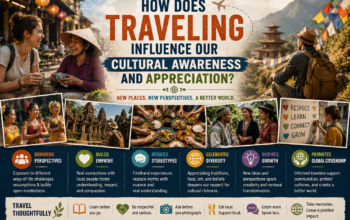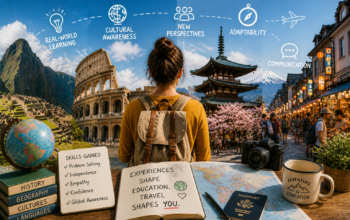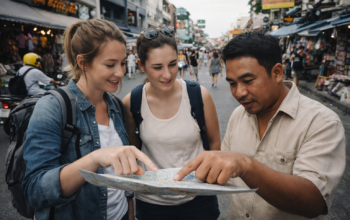
Travel has the remarkable ability to promote cultural understanding and tolerance by breaking down barriers, fostering empathy, and encouraging open-mindedness. When we embark on journeys to explore new destinations and engage with different cultures, we gain a deeper appreciation for the diversity of our world. In this article, we will delve into the ways in which travel serves as a powerful tool for promoting cultural understanding and tolerance.
Exposure to Different Perspectives
Travel exposes us to a wealth of different perspectives, beliefs, and ways of life. As we interact with people from diverse backgrounds, we gain insights into their customs, traditions, and worldviews. This exposure challenges our preconceived notions and broadens our understanding of the complexity of human existence. We come to realize that there is no single “right” way to live, and this recognition fosters cultural understanding.
Breaking Down Stereotypes
Stereotypes and prejudices often arise from ignorance and lack of exposure to other cultures. Travel allows us to confront these biases head-on. By meeting people from different cultures and observing their daily lives, we dispel stereotypes and recognize the richness of their individual stories. This firsthand experience replaces misconceptions with a deeper appreciation for cultural diversity.
Learning About History and Heritage
Many travel experiences involve visits to historical sites, museums, and cultural landmarks. Learning about the history and heritage of a place provides context for understanding the culture that thrives there today. For example, exploring the ruins of ancient civilizations or touring museums dedicated to a country’s history helps us appreciate the roots of its culture. This historical perspective fosters cultural understanding and respect.
Embracing Cultural Exchange
Travel often involves engaging in cultural exchange. Whether it’s learning a few phrases in the local language, participating in traditional ceremonies, or sharing a meal with locals, these interactions bridge cultural gaps and encourage a sense of camaraderie. Engaging with the community in this way promotes mutual understanding and respect.
Appreciating Cultural Diversity
Travel exposes us to the incredible diversity of human cultures. From languages and cuisines to clothing and art forms, we witness the endless variations that exist across the globe. This appreciation for diversity extends beyond the destinations we visit and informs our attitudes towards diversity in our own communities. We become more accepting of differences and more open to learning from others.
Fostering Empathy
Empathy is a key component of cultural understanding and tolerance. Traveling allows us to put ourselves in the shoes of others and see the world from their perspective. When we witness the challenges, joys, and struggles faced by people in different cultures, it becomes easier to empathize with their experiences. This empathetic connection promotes tolerance and compassion.
Challenging Ethnocentrism
Ethnocentrism, the belief that one’s own culture is superior to others, can be challenged through travel. Experiencing different cultures firsthand forces us to question our ethnocentric biases and confront our assumptions about what is “normal” or “right.” This self-awareness fosters greater tolerance and respect for cultures different from our own.
Recognizing Universal Values
Travel allows us to recognize the universal values that connect all human beings. While cultures may express these values differently, fundamental principles like love, family, friendship, and the pursuit of happiness are shared by people around the world. This recognition reinforces our common humanity and promotes tolerance.
Supporting Sustainable Tourism
Sustainable tourism practices prioritize cultural preservation and respect for local communities. Travelers who engage in responsible and sustainable tourism contribute to the well-being of the destinations they visit. By supporting local businesses, respecting cultural traditions, and minimizing their environmental impact, travelers foster goodwill and cultural understanding.
Sharing Stories and Experiences
Travelers often return home with stories and experiences from their journeys. Sharing these tales with friends, family, and the wider community spreads cultural awareness and understanding. Through storytelling, travelers become cultural ambassadors, bridging gaps and inspiring others to embrace cultural diversity and tolerance.
Promoting Peace and Global Harmony
At a broader level, travel plays a role in promoting peace and global harmony. People-to-people interactions and cross-cultural understanding reduce the likelihood of conflicts rooted in cultural or ethnic differences. By fostering tolerance and empathy, travel contributes to a more peaceful world.
Travel serves as a powerful catalyst for promoting cultural understanding and tolerance. Through exposure to different perspectives, breaking down stereotypes, and engaging in cultural exchange, travel challenges ethnocentrism and fosters empathy. Learning about history and heritage, appreciating diversity, and recognizing universal values all contribute to greater cultural understanding. As travelers, we have the opportunity to embrace and celebrate the rich tapestry of human cultures, fostering a world where tolerance, respect, and harmony prevail. So, let us embark on our journeys with open hearts and open minds, for in doing so, we become advocates for a more culturally diverse and tolerant world.